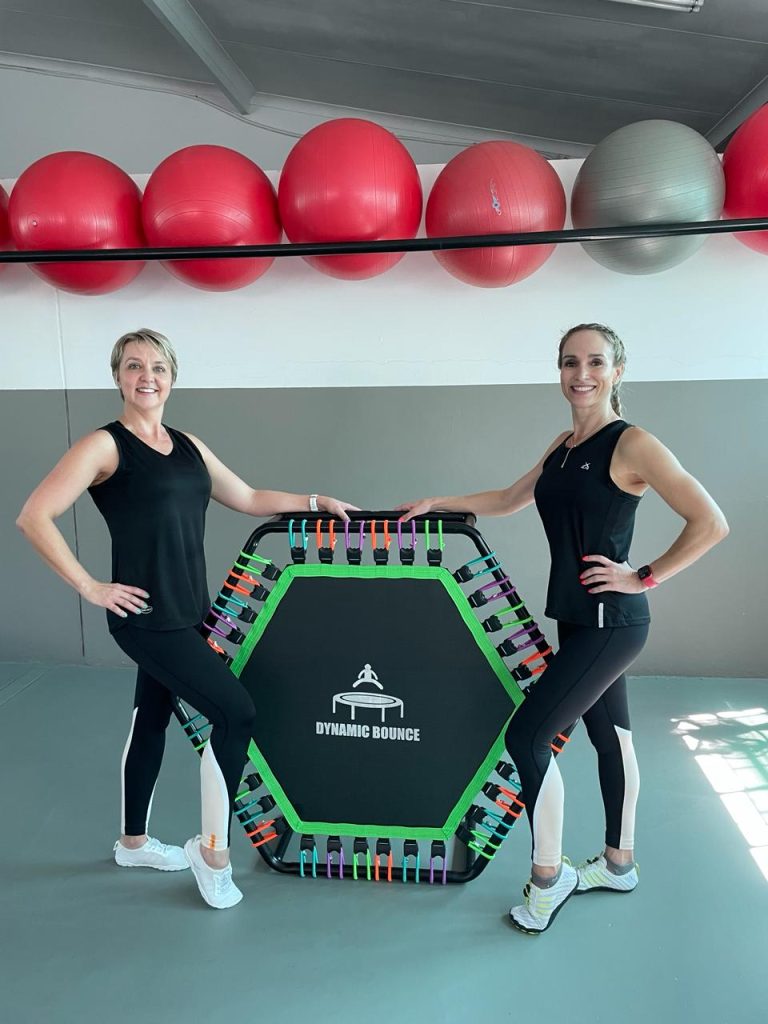
There are endless benefits of rebounding, below to name but a few:
- Increases muscle tone and strength. Rebounding engages multiple muscle groups, including the legs, core, and arms, helping to build lean muscle mass and improve overall muscle tone.
- Burns calories and promotes weight loss. Rebounding is a low-impact, high-intensity exercise that can help burn a significant number of calories, contributing to weight loss and maintenance.
- Improves cardiovascular health. Rebounding is an aerobic exercise that can strengthen the heart and improve cardiovascular endurance, reducing the risk of heart disease.
- Boosts metabolism. The repetitive bouncing motion of rebounding can help increase the metabolic rate, leading to a more efficient calorie burn even at rest.
- Reduces fat and increases muscle-to-fat ratio. Regular rebounding can help decrease body fat percentage and increase lean muscle mass, resulting in a healthier body composition.
- Increases lymphatic flow and detoxification. Rebounding helps stimulate the lymphatic system, which is responsible for removing toxins and waste from the body, leading to a healthier and more efficient detoxification process.
- Improves coordination and agility. The dynamic movements and balance required in rebounding can enhance coordination and agility, making everyday activities easier and reducing the risk of falls.
- Enhances bone density. The impact of rebounding can help stimulate bone growth and increase bone density, reducing the risk of osteoporosis and fractures.
- Supports joint health. Rebounding is a low-impact exercise that can be gentler on the joints compared to activities like running or jumping on hard surfaces, making it suitable for individuals with joint pain or arthritis.
- Provides a fun and enjoyable workout. Rebounding can be a fun and engaging activity that offers variety and enjoyment, making it more likely for individuals to stick with an exercise routine and achieve weight-loss goals.
BENEFITS FOR SENIORS:
- Boosts immune system function. Regular rebounding can help improve the efficiency of the immune system, reducing the risk of infections and illnesses.
- Enhances cardiovascular health. Rebounding increases heart rate and improves circulation, strengthening the heart and reducing the risk of heart diseases.
- Aids in weight management. Rebounding is an effective way to burn calories and improve metabolism, helping in weight loss and maintenance.
- Improves lung function. The bouncing motion of rebounding helps increase lung capacity and strengthens respiratory muscles.
- Enhances balance and coordination. Regular rebounding exercises can improve balance and coordination, reducing the risk of falls and improving overall mobility.
- Boosts mood and mental well-being. Rebounding releases endorphins, improving mood, reducing stress, and promoting a positive mental state.
- Increases energy levels. The increase in circulation and oxygen intake during rebounding can provide an energy boost and combat fatigue.
- Supports better sleep. Regular exercise, including rebounding, can help regulate sleep patterns and improve overall sleep quality.
- Enhances flexibility. Rebounding exercises involve a wide range of motions that can improve flexibility and joint mobility.
- Strengthens muscles and improves muscle tone. The resistance and impact of rebounding exercises help build muscle strength and tone, improving overall body composition.
- Reduces the risk of chronic diseases. Regular physical activity, such as rebounding, can lower the risk of chronic conditions like diabetes, hypertension, and metabolic disorders.
- Improves overall quality of life. The physical, mental, and emotional benefits of rebounding contribute to an improved overall quality of life for seniors.
- Provides a fun and enjoyable form of exercise. Rebounding can be a fun and engaging exercise option that seniors can enjoy, making it easier to stick to a regular exercise routine.
- Improves flexibility and range of motion. Rebounding helps to loosen and strengthen muscles, tendons, and ligaments, which can improve overall flexibility and range of motion.
MEDICAL BENEFITS:
- Enhances cognitive function. Regular exercise, such as rebounding, has been shown to improve memory, attention, and overall cognitive performance.
- Reduces the risk of osteoporosis. Rebounding is a weight-bearing exercise that helps to strengthen bones and prevent bone loss, reducing the risk of osteoporosis and fractures.
- Improves digestion and gut health. Rebounding helps stimulate the muscles of the digestive system, promoting better digestion and nutrient absorption. This can reduce symptoms of indigestion, bloating, and constipation.
- Supports weight loss and weight management. Rebounding is a low-impact aerobic exercise that burns calories, helping to maintain a healthy weight and reduce the risk of obesity-related conditions.
- Enhances mental well-being. Exercise, including rebounding, releases endorphins, which are natural mood boosters. It can help reduce symptoms of depression, anxiety, and stress.
- Boosts overall energy levels. Regular rebounding increases energy production at the cellular level, leading to improved overall energy and vitality.
- Promotes better posture and spinal alignment. The gentle bouncing motion of rebounding helps strengthen the core muscles and improve posture, reducing the risk of back pain and spinal misalignment.
- Reduces the risk of certain cancers. Regular exercise, including rebounding, has been associated with a lower risk of certain cancers, such as breast, colon, and lung cancer.
- Improves joint health and flexibility. The low-impact nature of rebounding helps to strengthen and support joints, reducing the risk of joint pain and stiffness.
- Enhances overall cardiovascular health. Rebounding increases heart rate and improves circulation, leading to a healthier cardiovascular system and a reduced risk of heart disease.
- Promotes overall longevity and healthy ageing. The combination of multiple health benefits provided by rebounding helps to promote overall longevity and healthy ageing as you maintain an active lifestyle.